

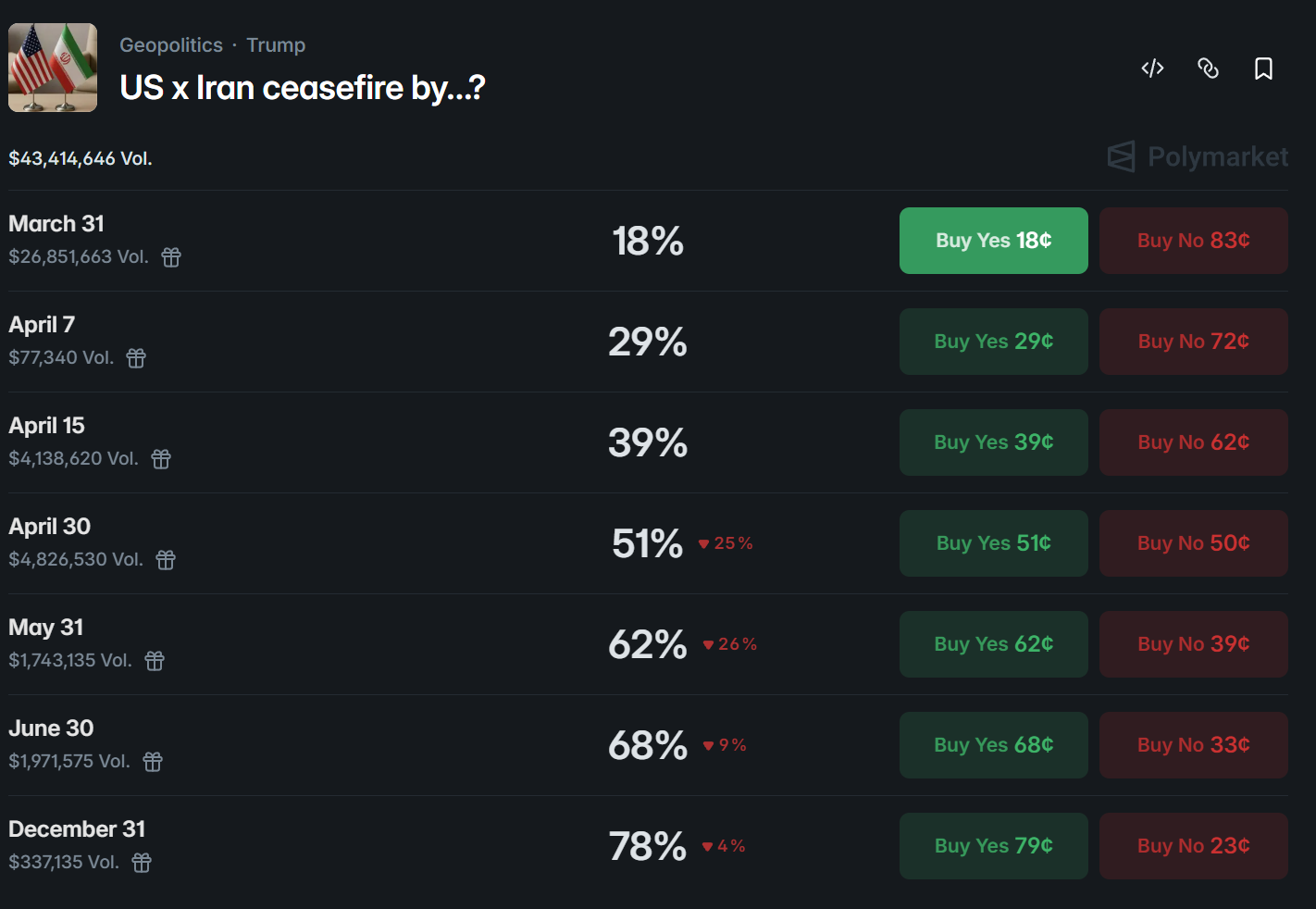
I started writing this article on the first news of a potential peace agreement between Iran and the United States. Despite being skeptical of this possibility, I am certain that the Americans want to peace-out but structural factors like the Israel lobby and Iranian resistance are preventing them from achieving a peace agreement.
In this article, I won’t be talking about how the Russians are killing way less civilians than the Americans or how the Americans are fighting the war way more effectively, while suffering minimal manpower losses. This is all common sense, and if I wanted to make an emphasis on that, then I’d not differ from any other commentators.
Instead, I want to emphasize the psychological aspect of Russian and American decision making in regards to war, and with regards to other aspects of the decision making chain. A difference in mentality between Russians and the Americans or Westerners more broadly.
That is, the American society is able to reflex and course correct whereas the Russian is not and I will show how this is both a strength and a weakness.
The Russian Approach To War
Russia’s fundamental characteristic as a strategic actor is its capacity for endurance and psychological rigidity. It is a national characteristic of the Russian state. The Russian society, shaped by centuries of catastrophic wars, famine, and poor living standards has developed a tolerance for collective suffering that Westerners did not.
The Ukrainian population, likewise, heir to the same historical dynamics, has demonstrated the same quality. Both peoples have absorbed casualty rates and material deprivation that would have produced existential political crises in any Western democracy within months and as we know by the Iranian campaign even within weeks.
The Russian rulers have also developed a very rigid approach to governing their own population, manifested by severe state violence, repression of the opposition and appearing strong which all predisposes them against course correction and for sticking with the strategy that they have adopted no matter what. In the maximalist sense it implies that the entire Russian political and social structure is built on the fiction of infallibility from above and once the ruler had made a decision, the entire country must stick to it or face punishment.
These two factors make course correction nearly impossible. The Russian system lacks feedback loops that function in a similar fashion that it does in the Western states because the Russian regime sees their own population as a potential threat to power, but as a result of that they are able to make unpopular decisions and stick to them.
Perhaps it is my post-hoc rationality, but speaking purely in terms of state aggregation and not in terms of the economy, demographics (debatable) or international law fighting a long war of endurance has probably paid off. It is certain that had Russia peaced out in 2022 and not in 2026 or next year, its gains would have been smaller than they are now. Likewise, the maximalist Russian aims of 2022 did not include land annexations but they did include an unsustainable regime change done in a country which clearly doesn’t want it.