

After a triumphant success in Venezuela, Trump believed that just as in Venezuela a decapitating strike destroying the country’s top leadership and degrading its military capabilities would lead to a favorable deal and conclude the conflict within a couple of days, or cause an uprising against the regime, achieving a form of regime change.
More than two weeks into this military adventure, we know that Trump has failed in two of his main objectives:
Achieving a swift victory and signing peace on terms favorable to Israel and the United States
Achieving regime change
In this article, I will not be providing a summary of the military engagement or how each side is faring, I’ll save that for a YouTube video hopefully coming out within a week (as promised). Instead, I want to talk about the psychology of conflict. What makes someone resist, and what makes someone fold? Because as it turns out, you can face an enemy a hundred times your strength and still resist despite taking heavy losses. And I’m not talking about the Soviet invasion of Afghanistan or the American invasion of Vietnam, I’m talking about Gaza. What motivates these people to continue fighting, despite enduring a genocide and total destruction of civilian infrastructure on a scale not seen since the Second World War?
A common understanding of politics includes assumption of rationality among people, particularly the calculation of a cost-benefit analysis without factoring in the emotions, commitment and motivations to fight. Because as it turns out you could launch a war you know you’d lose and suffer devastating consequences at the end, but do it regardless.
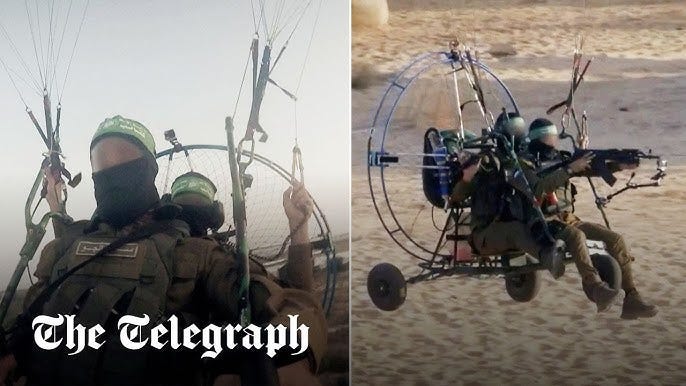
You could also defend against an enemy much stronger than you, refuse to make concessions even though on an intuitive level you know you stand no chances in the long run.
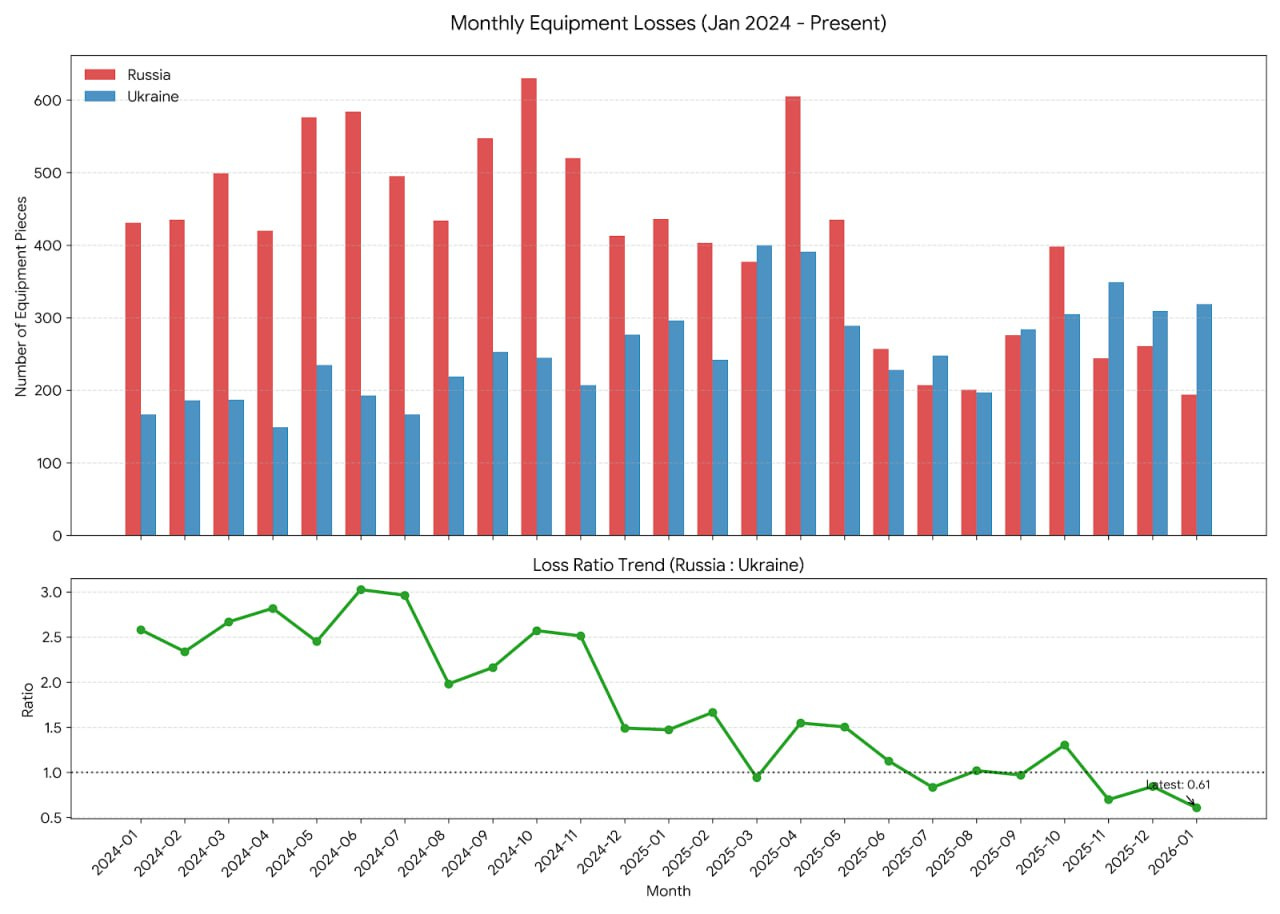
The Iranian war situation is one among many in which a weaker country is choosing to resist a much stronger and powerful one (two), doing so asymmetrically, escalating despite having weaker cards, and preparing for a long war of attrition that will cost the Americans dearly.
So the question is, why did Venezuela capitulate, while Ukraine, Hamas and Iran have decided to resist? What is it about the psychology and mental calculations of countries like Iran that are different than countries like Venezuela? At the end of the day, Iran got bombed much harder than Venezuela and its Shia regime was hugely unpopular, whereas Venezuela could have also shown some resistance against the Americans, perhaps dragging the war for multiple months, but they have chose not to do that and become US puppets instead (while keeping the regime).