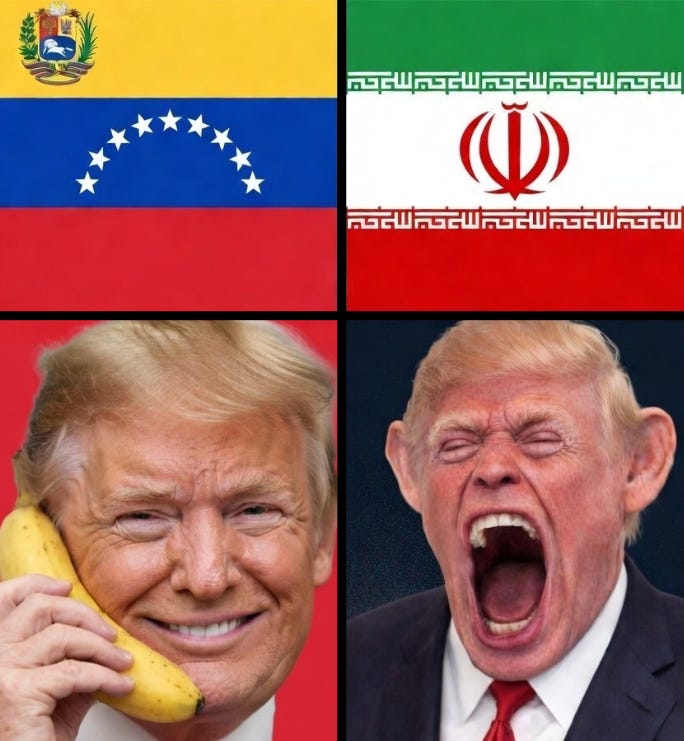
Why Iran War is not like Venezuela
Why did Trump succeed in Venezuela but failed in Iran?

After a triumphant success in Venezuela, Trump believed that just as in Venezuela a decapitating strike destroying the country’s top leadership and degrading its military capabilities would lead to a favorable deal and conclude the conflict within a couple of days, or cause an uprising against the regime, achieving a form of regime change.
More than two weeks into this military adventure, we know that Trump has failed in two of his main objectives:
Achieving a swift victory and signing peace on terms favorable to Israel and the United States
Achieving regime change
In this article, I will not be providing a summary of the military engagement or how each side is faring, I’ll save that for a YouTube video hopefully coming out within a week (as promised). Instead, I want to talk about the psychology of conflict. What makes someone resist, and what makes someone fold? Because as it turns out, you can face an enemy a hundred times your strength and still resist despite taking heavy losses. And I’m not talking about the Soviet invasion of Afghanistan or the American invasion of Vietnam, I’m talking about Gaza. What motivates these people to continue fighting, despite enduring a genocide and total destruction of civilian infrastructure on a scale not seen since the Second World War?
A common understanding of politics includes assumption of rationality among people, particularly the calculation of a cost-benefit analysis without factoring in the emotions, commitment and motivations to fight. Because as it turns out you could launch a war you know you’d lose and suffer devastating consequences at the end, but do it regardless.
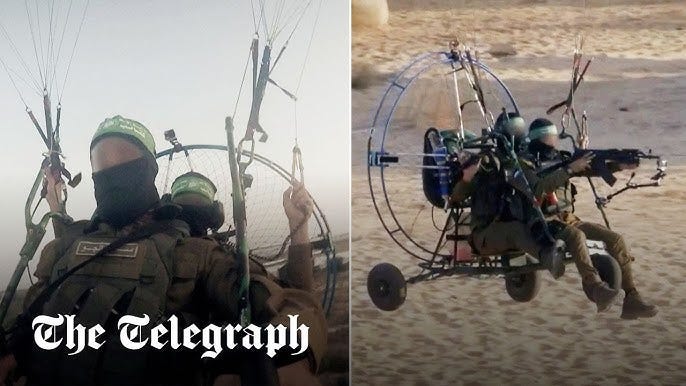
You could also defend against an enemy much stronger than you, refuse to make concessions even though on an intuitive level you know you stand no chances in the long run.
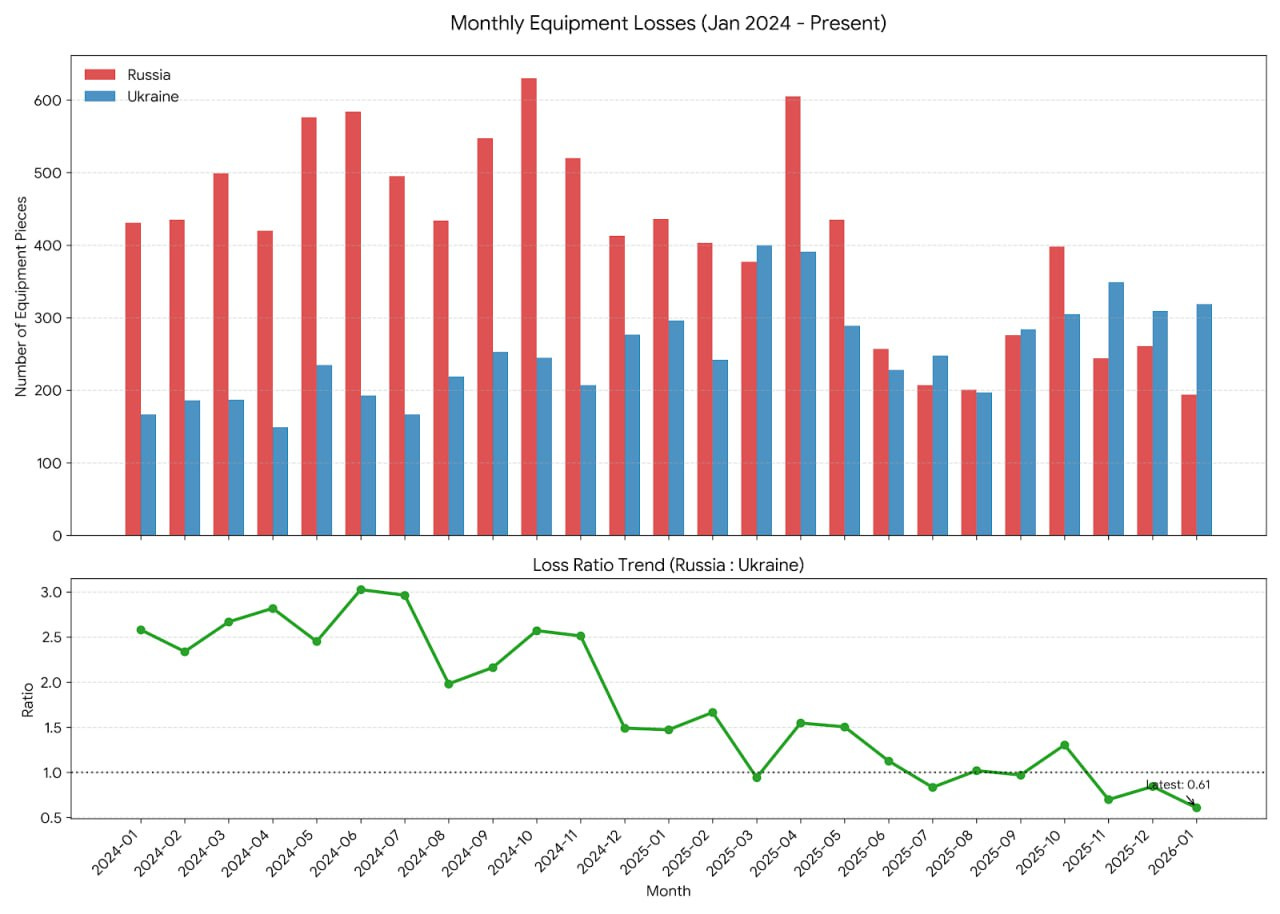
The Iranian war situation is one among many in which a weaker country is choosing to resist a much stronger and powerful one (two), doing so asymmetrically, escalating despite having weaker cards, and preparing for a long war of attrition that will cost the Americans dearly.
So the question is, why did Venezuela capitulate, while Ukraine, Hamas and Iran have decided to resist? What is it about the psychology and mental calculations of countries like Iran that are different than countries like Venezuela? At the end of the day, Iran got bombed much harder than Venezuela and its Shia regime was hugely unpopular, whereas Venezuela could have also shown some resistance against the Americans, perhaps dragging the war for multiple months, but they have chose not to do that and become US puppets instead (while keeping the regime).
The Psychology of War
There are many important psychological aspects which define a nation’s attitude towards a war. At the fundamental level a war is an engagement of an all encompassing in-group with an outgroup that becomes dehumanized as the war drags on. It is called the rallying around the flag effect.
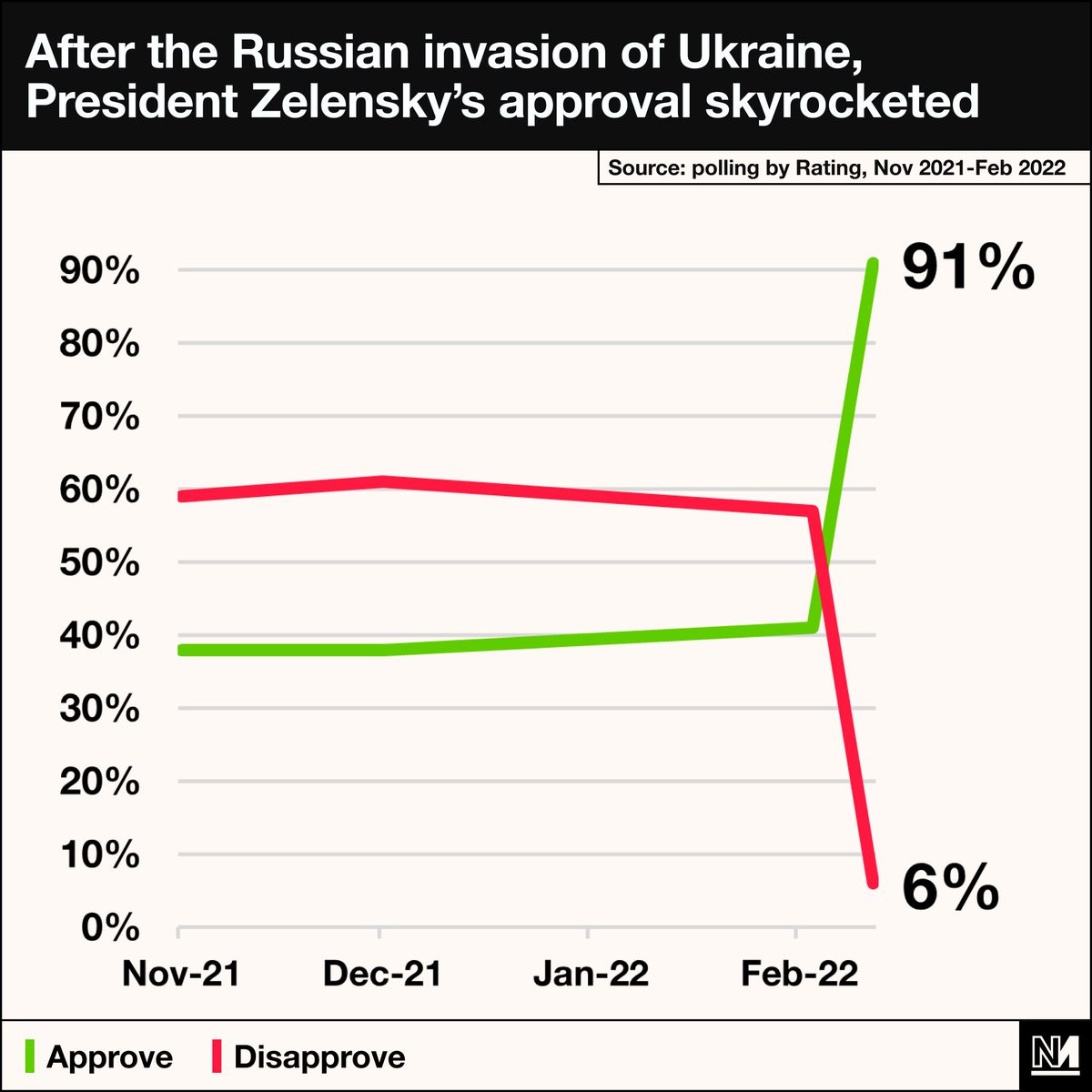
When a country is at war and that war is perceived to be an existential war, no matter how unpopular a country’s institutions and leadership were before, trust and faith in them always skyrockets.
While there’s been no poll conducted inside Iran on the support of regime, most experts agree that the country has seen a rallying around the flag effect. Videos with large-scale pro-regime gatherings and a lack of anti-regime protests since the war started only reinforce this point. Furthermore, qualitative evidence points out that the raped Iranian diaspora is also reconsidering the war which it has originally supported.
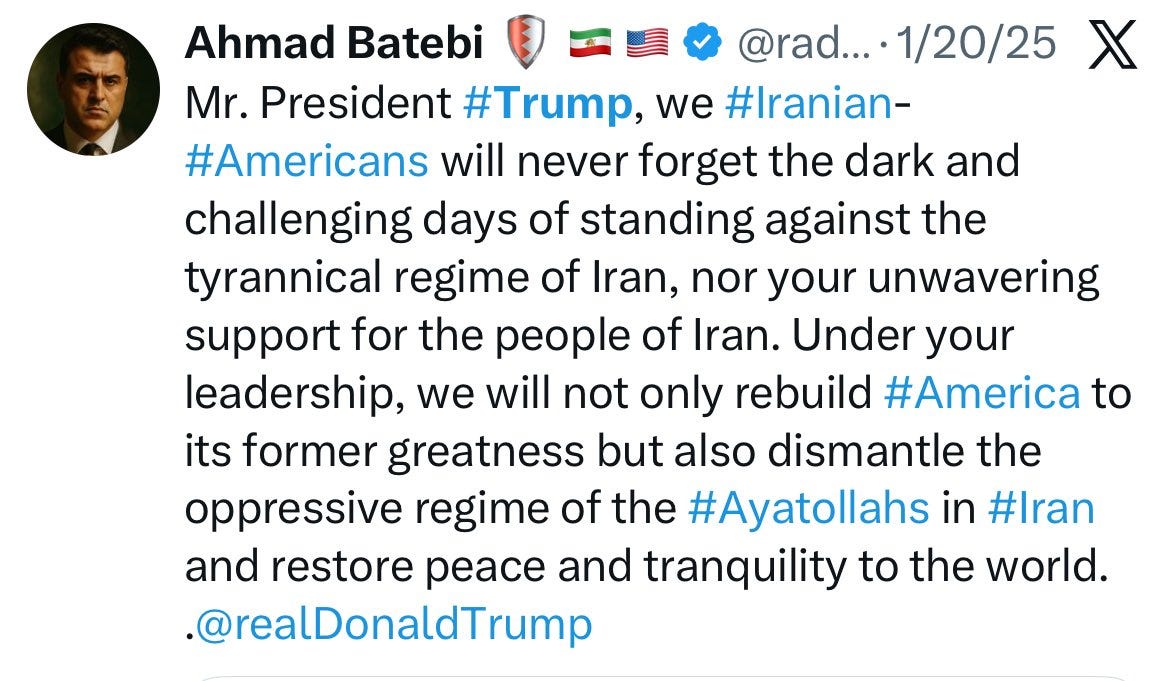
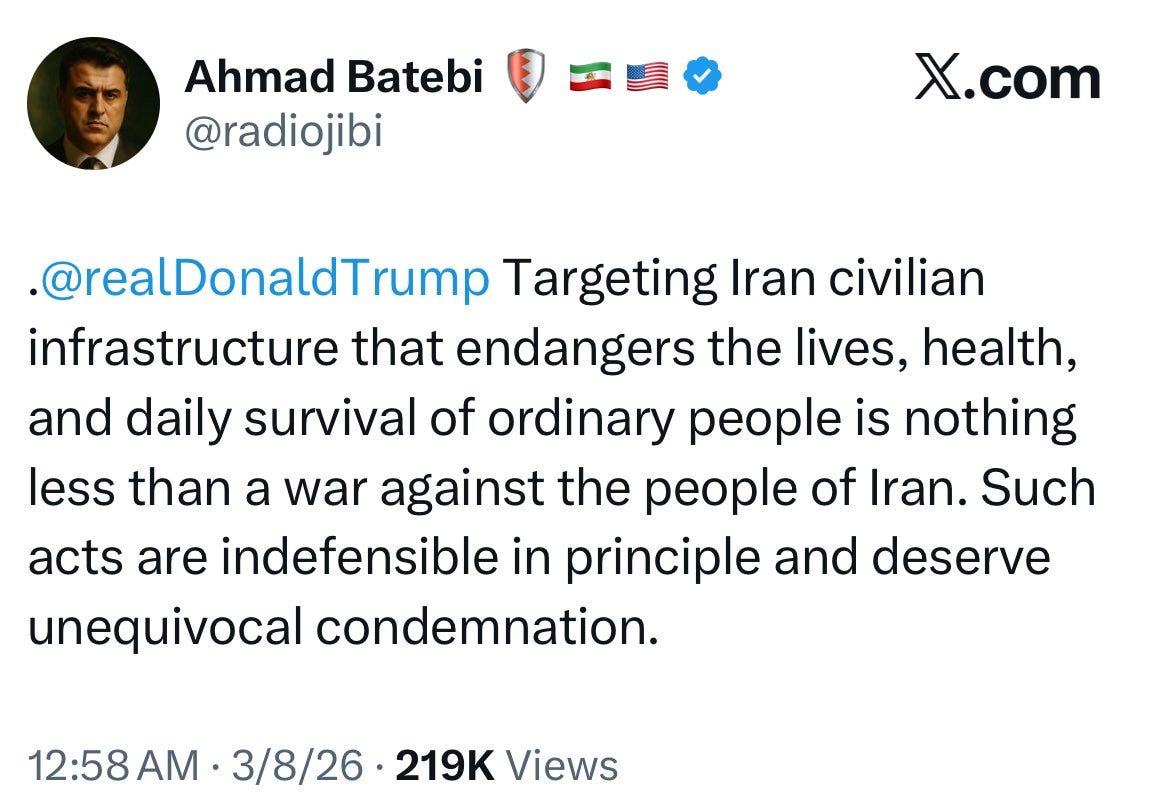
Finally there’s some video-interviews of Iranians in Iran being asked about their thoughts on the raped Iranian diaspora initially celebrating the war:
Nothing like that happened in Venezuela as far as I’m aware. There were only small government protests in Venezuela, just as there were anti-government protests right after the US bombed them. There definitely was not a rallying around the flag effect that we saw in Iran and I believe because they did not perceive a US one hour special military operation to be existential. The government has quickly capitulated and is now effectively a US resource extraction colony. Given that there is more local support for the Venezuelan socialist regime than the Iranian Shia regime, this is certainly perplexing. The next factor will explain why this is the case.
Honor Culture
Iran is part of the honor culture category of cultures, which are usually defined by cousin marriages, the importance of religion, purity and stubbornness.
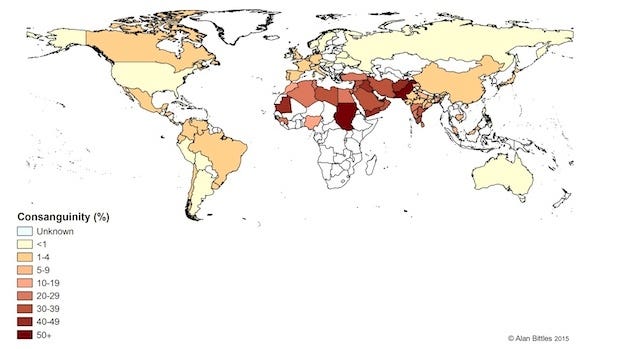
Among honor cultures a compromise always means defeat, material possessions and other Western-coded things are not valued as strongly as standing up for what’s right and not letting the enemy corrupt you. In this scenario, there is not really a cost-benefit analysis, rather the main focus is about defending your honor and purity against the corrupter.
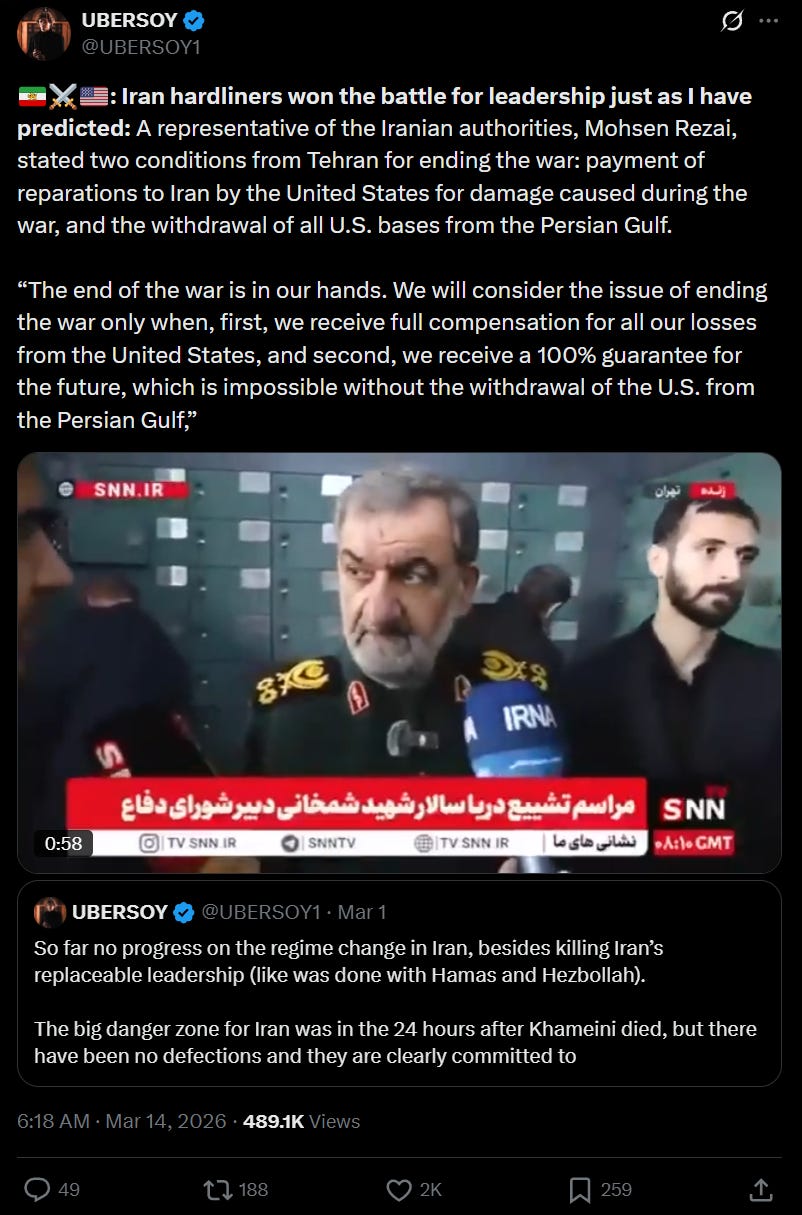
Two weeks into the war and the Iranians are openly saying that they don’t want a ceasefire, but a strategic US military defeat in the region. That is what will satisfy them at this point of the war.
Certainly, this came at a time when the US proved to be unable to stop the blockade of Hormuz and Iran dealing US significant damage, notable is the destruction of 7 refueling aircrafts and a recovery of Iranian drone capability, yet earlier statements from Iranian officials were likewise, uncompromising:
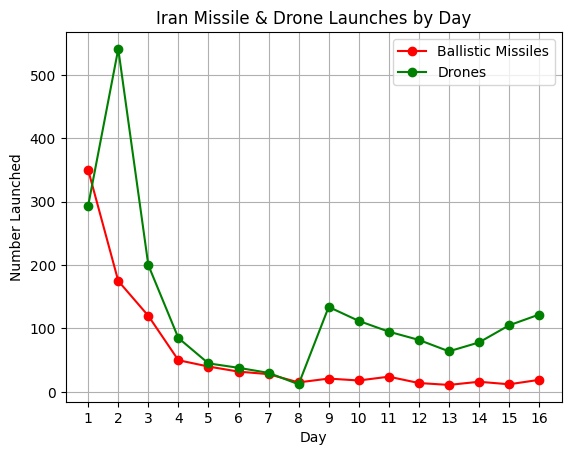
Though I should make an important note, the Iranians have made significant compromises, including not to stockpile enriched uranium (in case people want to pretend that this war is about them getting nukes at any second now) and have rescheduled the talks for March 2nd before suddenly getting attacked in the middle of negotiations and losing their top leadership with the exception of their president and foreign minister.
The action played on the Iranian sense of purity, because the Israeli and American actions, were in complete violations of ethics of war as people see them everywhere and just in Iran. This obnoxious and malicious action has likely set many Iranians into rage which is why they have went with the maximalist plans at the start of the war.
Not only did they close the strait of Hormuz and attacked US bases all over the Middle East (completely predictable), elected an even more radical successor, started targeting civilian infrastructure and economic assets of neutral Arab countries in the region. This pivot towards attacking the Gulf states’ non-military infrastructure has so far proved itself to be successful.
The reason this didn't happen during the 2025 war is that the United States and Israel did not target Iran's top leadership at that time. But on February 28th they crossed a red line, committed what Iranians perceive as a mortal sin, and triggered a maximalist blowback that is likely to continue escalating on its own momentum.
Iran’s defiance is motivated by their stubborn resolve, which was already tested in the eight year war of attrition against Iraq in which Iran suffered more losses than Iraq, and the Iranians are committed to drag this one for just as long, or at least for as long as they possible could.
Honor culture: As mentioned, in societies where honor and collective pride serve as the primary social currency, perceived humiliation can outweigh material cost-benefit calculations. When a nation’s leadership is assassinated mid-negotiation, the calculus shifts from “what do we gain?” to “how do we restore our honor?”. It is a different hierarchy of values, one where being seen as someone who absorbs humiliation without response is worse than absorbing economic or even human losses.
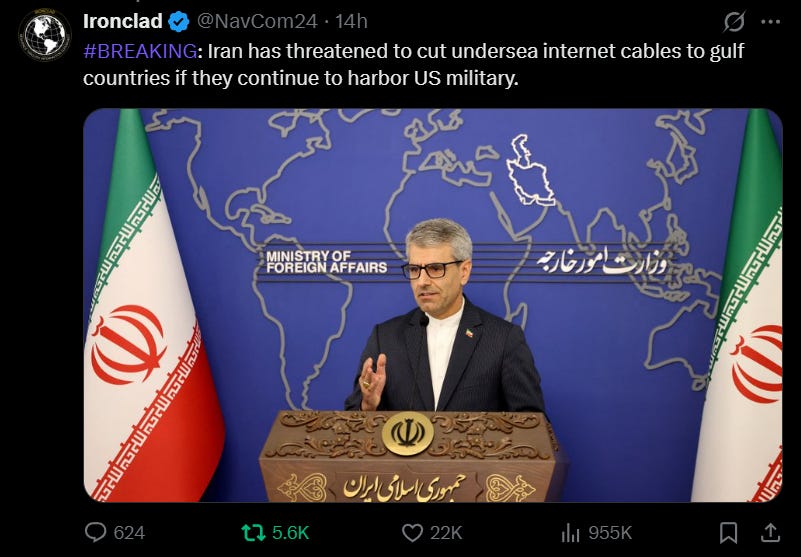
Poor countries don’t have much to sacrifice in the first place, which paradoxically makes them more dangerous adversaries. People become restrained and cautious when they have a lot to lose. A country already under crippling sanctions, with 60% inflation and a collapsing currency, does not experience further economic punishment the way a prosperous country would. The marginal cost of escalation is low when the baseline is already misery and so if the Iranians decide tomorrow to cut all internet cables to the Gulf states, it’s not going to cost them too much.
This is why Gazans are still persisting despite total ruin and despair, the Iranian resolve will likely be on a spectrum between Ukraine and Hamas, which is to say that the United States and Israel must go into great lengths to break it.
Yes, they don’t like the regime and yes they are a divided society on ethnic lines but they’ve just been collectively humiliated and they are now on the path to restore their honor. Furthermore, while the regime may not be as popular, it has a high approval rating among the Iranian army and the IRGC. Plus, Israel and the United States already help the regime’s approval rating by targeting civilians.
PS: Finally, I want to make it clear that Iran’s strategic decision to resist is not simply emotional, there are many rational contributing factors to it. I believe that Iran is a rational actor, but it is a rational actor within an honor-based culture. What’s important to recognize is that the Iranians are not Westerners or Ukrainians/Russians and so what may work in Venezuela, may not work in Ukraine and what may work in Ukraine may not work in Iran.
A people's collective personality determines how they behave on the global stage, and Iran's collective personality has been forged by 2,500 years of imperial memory, 45 years of revolutionary identity, and a Shia theological tradition that literally venerates martyrdom as the highest form of resistance. This is not a country that processes a decapitation strike the way a Latin American military junta does and nor is it a country which places economic or social benefit above honor and self-preservation.
When American planners assumed that killing Khamenei would paralyze the system the way capturing Maduro paralyzed Venezuela, they projected a Western rational-actor model onto a civilization that defines rationality differently. Iran will absorb enormous damage not because it is irrational but because it is rational within its cultural operating system.